
what's a Play Praxis?
what do games have to do with philsophy & why we're hosting an event in London
praxis (noun)
(a) exercise or practice of an art, science, or skill;
(b) customary practice or conduct;
(c) practical application of a theory.
The word praxis comes from ancient Greece.
The philosopher Aristotle believed it to be one of the three fundamental human activities: theoria (thinking), poiesis (making), and praxis (doing). For Aristotle, praxis is the moment where thought and making are materialised into the world, the action that brings theory to life.
Perhaps this is why the term keeps resurfacing in the most dynamic fields such as politics, philosophy, education, and wherever transformation depends on practice.
Three particular thinkers have shaped how I understand praxis, and why I design games based on true stories. And, ultimately, why I was drawn to the idea of a collective.
Hannah Arendt: action
In her study of modern humanity, The Human Condition, Hannah Arendt considered humankind from the perspective of what it can do. She defined praxis as political, participatory action, and the true expression of human freedom.
For Arendt, it wasn’t enough to think about the world. One had to act in it. Her work reminds us that ideas only matter when they move through people.
Jean-Paul Sartre: togetherness
The existentialist Jean-Paul Sartre saw scarcity and competition as the root of human struggle, with freedom emerging when people act together, united by a shared purpose. He called this group praxis, the moment when people become accountable to one another through collective action. For Sartre, a revolution was an act of collective becoming.
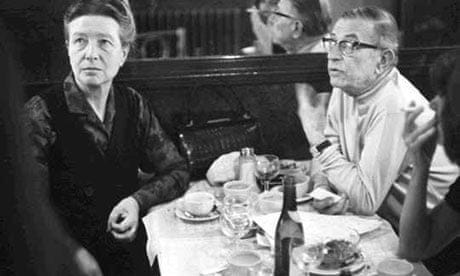
Img: Sartre & de Beauvoir
Paulo Freire: critical consciousness
And finally, Paulo Freire, the Brazilian educator and philosopher who founded what became known as critical pedagogy, an approach to education that empowers learners to question and transform the social, political, and cultural conditions shaping their lives, linking learning with action.
In Pedagogy of the Oppressed, he defined praxis as ‘reflection and action directed at the structures to be transformed’.
And this is exactly what games do.
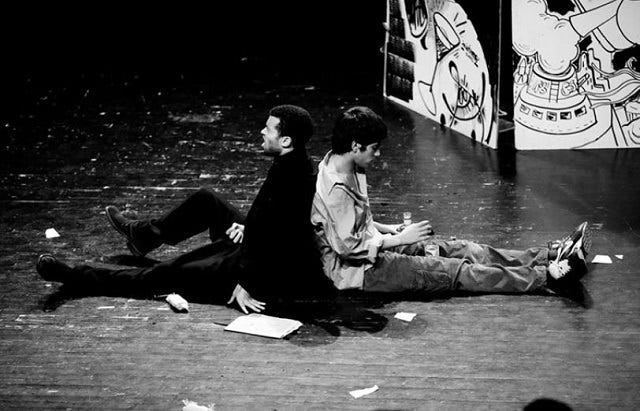
Img: Theatre of the Oppressed, a form of participatory theatre inspired by Paulo Freire
games as praxis
Games aren’t about knowledge transfer from a hierarchical power like much of traditional education. They’re about discovery.
When players act, they learn.
When they fail, they reflect.
It’s self-driven understanding.
And most importantly, games let players face complexity, moral choices, systemic pressures, social hierarchie in ways no other medium can. They reimagine learning as participation, not instruction. A player is at the centre of a world unfolding around them.
That’s why I’ve come to believe that play offers a unique potential we are only beginning to explore. And it’s not gamification.
why a Play Praxis now
The games industry is constantly evolving. Indie developers are telling deeply personal, urgent stories:
Never Alone, preserving Iñupiat storytelling and culture
A Palestinian developer bringing the story of the Nakba to a global audience
A game exploring Alzheimer’s based on personal stories of the developer. As long as you are here is out on Steam now!! Screnshot below is from the game.
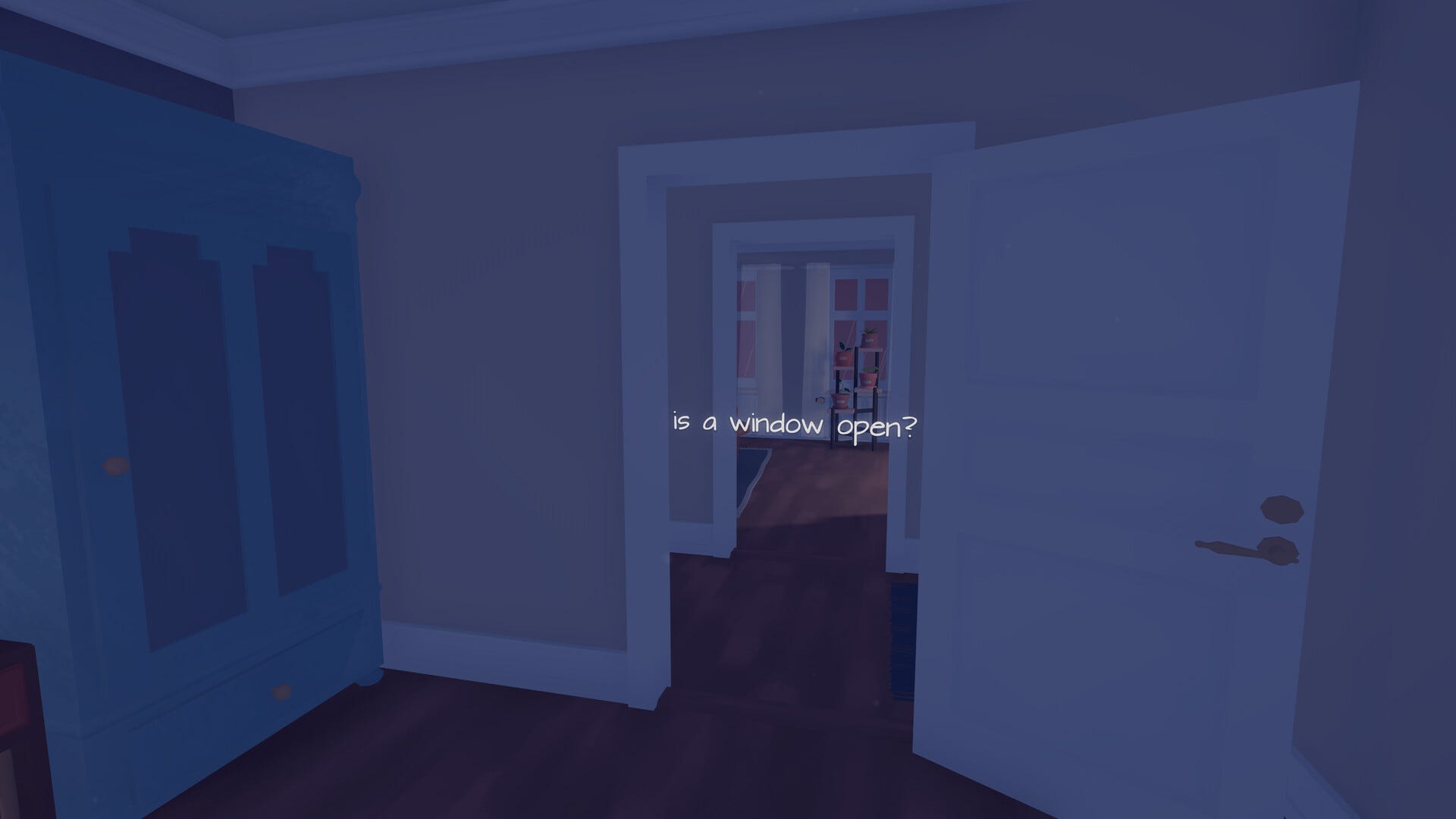
These works are redefining what games can be. But they’re also caught between art, activism, and entertainment, often without a defined category or community to belong to even inside the games industry.
Meanwhile, other sectors are increasingly exploring play:
Researchers and educators use games to reach disengaged audiences
Governments and NGOs experiment with interactive storytelling to teach systems thinking
Museums and cultural institutions seek the same immersion and emotional depth that games already master
Play is becoming a literacy. So the question became:
What happens when all these worlds meet?
a games salon
Throughout history, ideas didn’t evolve in isolation. Aristotle argued with Plato. Sartre debated in smoke-filled Parisian cafés (at least, that’s how I imagine them). Arendt hosted salons where philosophers, poets, and revolutionaries shared meals and manifestos.
Movements were born not in institutions but in rooms. That’s what I want for Play Praxis.
Everyone I’ve met across games and cultural spaces has been really foundational for how I create, and I want them to sit at a table together. Not a stage. A space where conversation comes first. Where ideas can be unfinished, and games are in progress. Where we talk about what we’re making, and why, and how to make it better. A small gathering where developers, artists, researchers, and players can meet across disciplines and explore what play can do.
open-studio style
While we’ll announce all titles in the coming days, I can share that Play Praxis will showcase games in a way that invites dialogue over display, where ideas evolve through conversation, not consumption. Creators will be present, opening their processes to the room. It’s a space for risk-taking for testing aesthetics, mechanics, and ideas before players and institutions define their value.
I’ve always been inspired by the Young British Artists, who used collective identity as amplification. when artists band together, their individual voices gain momentum and visibility. Play Praxis is imagined in that same spirit.
Play Praxis is a call to gather. To imagine what could happen next.
And, of course, to have a lot of fun.
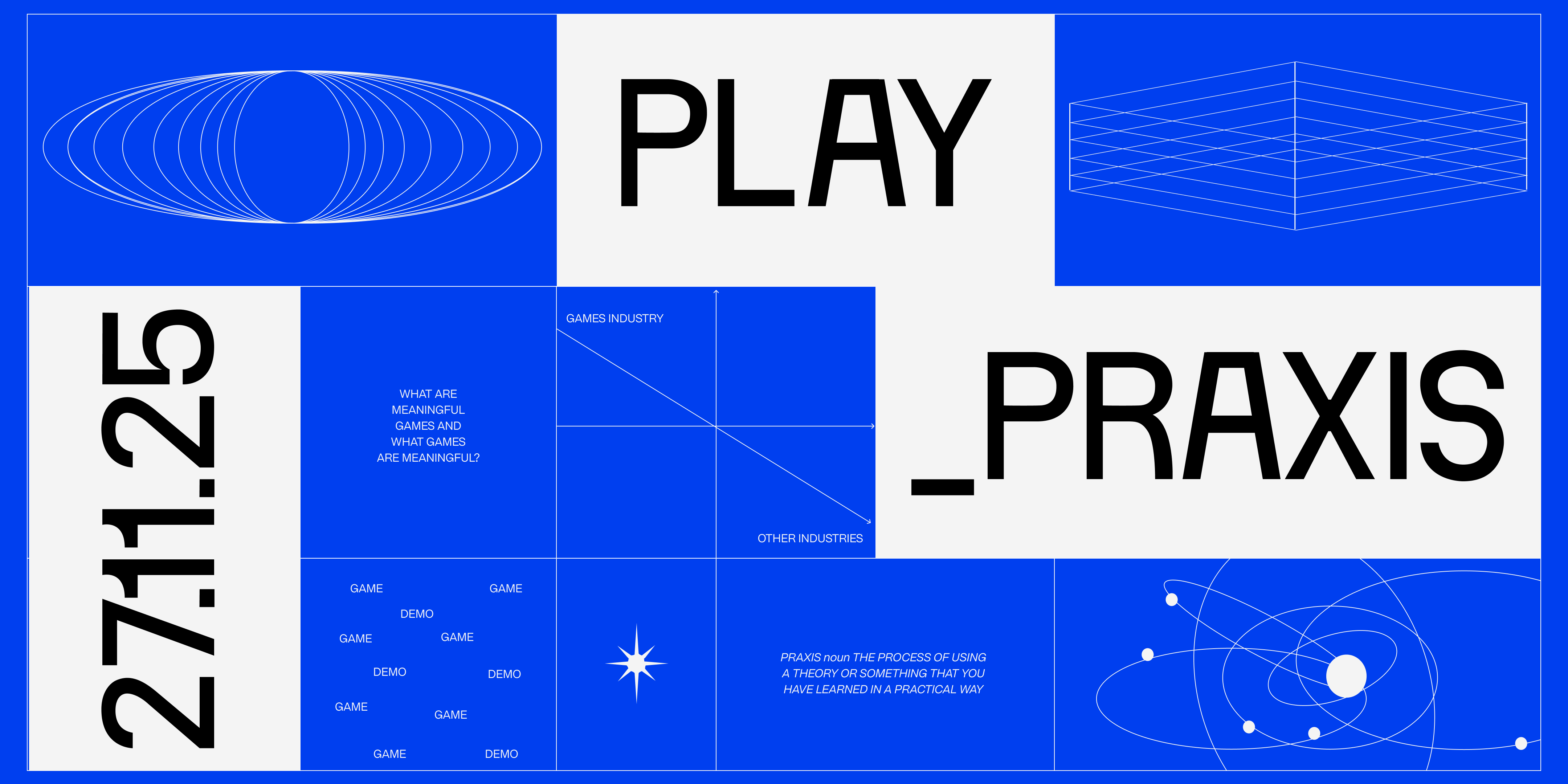
The first Play Praxis night will take place soon in London, a mix of playable demos, workshops, and conversations exploring what games can do for culture and collective imagination.
💌 If this resonates, join us by registering here.
22 Kingsland Road, London
Nov 27 from 6pm to 11:30pm GMT
Super happy to find this Substack!